Tenant Rights and Advice for Ormskirk Students


What Every Ormskirk Student Renter Should Know First
Renting in Ormskirk as a student means signing legal contracts, handing over significant sums of money, and sharing space with others, often for the first time. Understanding your rights before you sign anything is the most effective way to avoid disputes, protect your deposit, and live somewhere that meets the standards the law requires. West Lancashire Borough Council and national legislation both set enforceable rules that landlords must follow.
Edge Hill University draws around 15,000 students into the Ormskirk area, creating a busy private rental market alongside university halls. That demand means properties move quickly, and some landlords rely on students not knowing their rights. Being informed puts you in a far stronger position.
Understanding Your Tenancy Agreement
Most students renting privately in Ormskirk sign an Assured Shorthold Tenancy, commonly abbreviated to AST. This is the standard form of tenancy used by private landlords across England, and it gives you specific legal protections around notice periods, eviction, and repairs.
Read every clause before signing. Pay particular attention to the rent amount, the fixed term, break clauses (if any), and the rules around guests or subletting. If anything is unclear, ask the landlord or letting agent to explain it in writing. Edge Hill's student union advisers can review tenancy agreements free of charge.
Joint Tenancies in Shared Houses
Many Ormskirk students rent in shared houses with three or more unrelated occupants. Properties housing three or more unrelated tenants sharing facilities are classified as a House in Multiple Occupation, or HMO. West Lancashire Borough Council requires landlords of HMOs to hold a valid licence, and you can ask to see it.
In a joint tenancy, every named tenant is jointly and severally liable for the full rent. If one housemate stops paying, the landlord can pursue the others for the shortfall. Choosing housemates you trust financially is as important as finding a house you like.
Deposits - What Landlords Must Do
Landlords in England must protect your deposit in a government-approved scheme within 30 days of receiving it. The three approved schemes are the Deposit Protection Service, MyDeposits, and the Tenancy Deposit Scheme. Your landlord must also provide you with written information confirming which scheme holds your money and how to raise a dispute.
Under the Tenant Fees Act 2019, a tenancy deposit is capped at five weeks' rent. If a landlord asks for more than this, they are breaking the law. Keep a record of every payment you make, including bank transfer confirmations and receipts.
Getting Your Deposit Back
Disputes over deposit deductions are common, but tenants have clear mechanisms to challenge them. All three government-approved schemes offer a free Alternative Dispute Resolution service. If your landlord makes deductions you believe are unfair, gather evidence: dated photographs of the property taken at move-in and move-out, a signed check-in inventory, and any written communication about repairs.
Cleaning is the most frequently cited reason for deductions. Return the property in the same condition it was in at the start, and you have a strong basis for recovering the full amount.
Repairs and Your Right to a Safe Home
Landlords are legally required to keep the structure and exterior of your home in good repair. They must also maintain heating, hot water, gas and electrical systems. If a repair is needed, report it in writing, by email or message, so you have a timestamped record.
If a landlord fails to act on serious repairs, you can contact West Lancashire Borough Council's housing team, which has powers to inspect properties and issue improvement notices. The Homes (Fitness for Human Habitation) Act 2018 gives tenants the right to take landlords to court if a property is not safe or habitable. Damp, mould, and faulty fire safety equipment all fall within this legislation.
Gas and Electrical Safety
Your landlord must provide a valid Gas Safety Certificate from a Gas Safe registered engineer every year. Electrical installations must be inspected at least every five years, with the Electrical Installation Condition Report made available to you. If your landlord cannot produce these documents, report the matter to the local council.
Council Tax and Bills
Full-time students are exempt from paying council tax. If all occupants of a property hold full-time student status, the property is fully exempt. In a mixed household where one person is not a full-time student, that person may still receive a 25% single-person discount, but the household as a whole will receive a bill.
Provide your landlord and the council with proof of student status at the start of each academic year. Edge Hill issues Council Tax Exemption Certificates through its student portal.
Bills-Inclusive Renting
Some Ormskirk landlords and Purpose-Built Student Accommodation operators bundle utilities, broadband, and contents insurance into a single weekly rent. This approach removes the administrative burden of setting up accounts in a shared house, though you pay a premium for the convenience.
Weigh the bundled cost against what you would pay separately. Private shared houses in Ormskirk typically run £65–£100 per week per room on a bills-exclusive basis. Studios and self-contained flats marketed to students tend to sit between £120 and £180 per week, with the upper end reflecting bills-inclusive packages.
Your Responsibilities as a Tenant
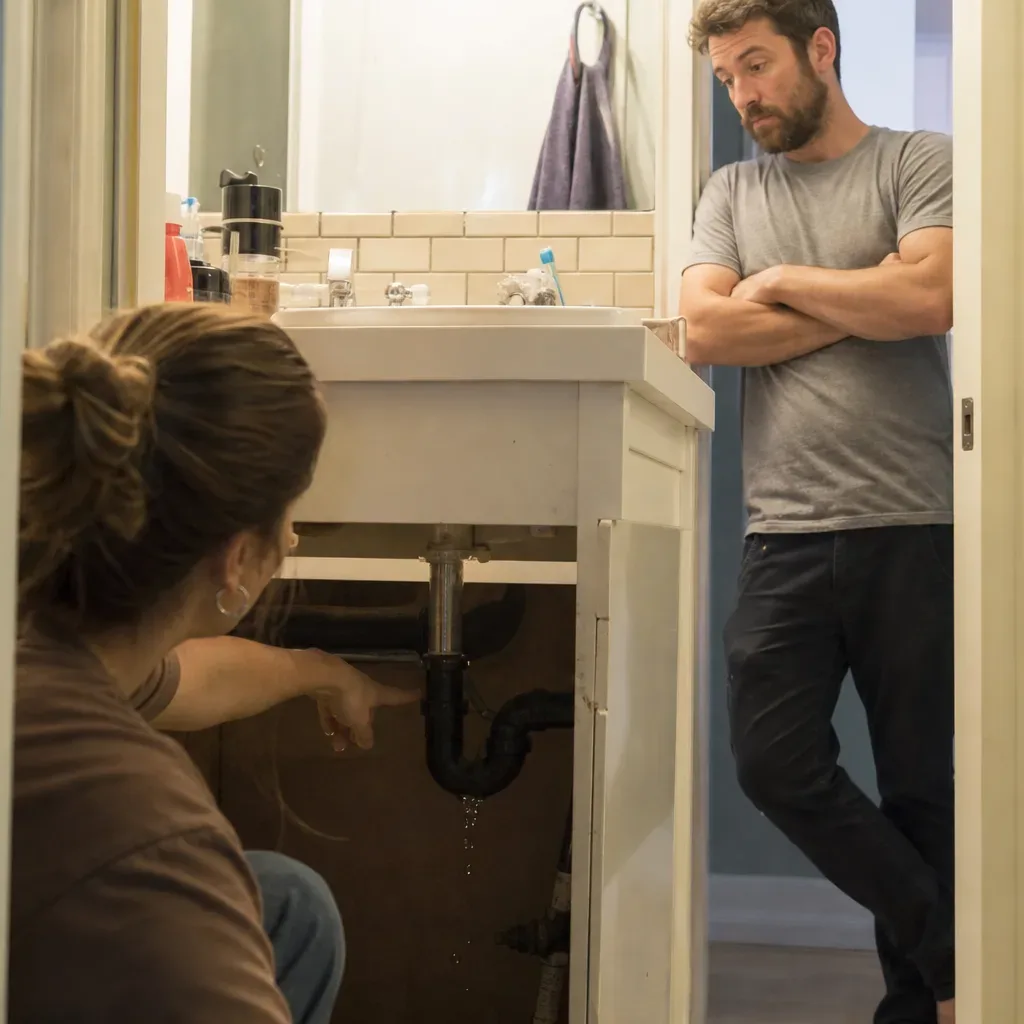
Tenants have legal obligations too. You must pay rent on the agreed date, allow the landlord access for inspections with at least 24 hours' written notice, and avoid causing damage beyond fair wear and tear. Reporting maintenance problems promptly is also a tenant obligation: ignoring a slow leak that later causes structural damage can give a landlord legitimate grounds to deduct from your deposit.
Behaving considerately towards neighbours matters both legally and practically. Persistent noise complaints can lead to formal action from the council, and in serious cases, they can affect your tenancy.
Ending Your Tenancy Correctly
At the end of a fixed-term AST, you are not automatically required to leave. If you stay beyond the fixed term without signing a new agreement, the tenancy becomes a periodic (rolling) tenancy. Either party can then end it with the correct notice: typically two months from the landlord and one month from you.
If you want to leave during the fixed term, you generally need your landlord's agreement unless the contract contains a break clause. Leaving without agreement can leave you liable for rent until a replacement tenant is found. Always serve notice in writing and keep a copy.

Where to Get Help in Ormskirk
Edge Hill's student union runs a free advice service covering tenancy disputes, contract queries, and landlord complaints. Citizens Advice in Skelmersdale, accessible by bus from Ormskirk, provides independent housing guidance. Shelter's online helpline handles urgent cases, including illegal eviction and harassment.
West Lancashire Borough Council's private sector housing team is the appropriate authority for reporting unsafe properties, unlicensed HMOs, and landlords who fail to protect deposits. Contacting these services early, rather than after a dispute has escalated, consistently produces better outcomes for students.
Frequently Asked Questions
What Are Student Tenant Rights and Responsibilities in the UK?
Student tenants in the UK have the right to a safe and habitable home, a protected deposit held in a government-approved scheme within 30 days, and at least 24 hours' notice before a landlord visits. Responsibilities include paying rent on time, reporting repairs promptly, and returning the property in the same condition as at move-in. Both landlord and tenant obligations are set out in the Assured Shorthold Tenancy agreement, which is the standard contract used across England.
How Much Is a Typical Student Rent in Ormskirk?
Private shared houses in Ormskirk typically cost £65–£100 per week per room, while self-contained studios marketed to students run £120–£180 per week, with the higher end usually reflecting bills-inclusive pricing. Halls of residence and Purpose-Built Student Accommodation sit between £100 and £175 per week depending on room type and amenities.
Do Students Pay Council Tax in Ormskirk?
Full-time students are exempt from council tax. If every occupant in a property holds full-time student status, the property receives a full exemption. In a mixed household where one resident is not a full-time student, that person may qualify for a 25% single-person discount, but the household will still receive a council tax bill.
What Is an HMO and Does My Ormskirk House Need a Licence?
A House in Multiple Occupation, or HMO, is any property shared by three or more unrelated tenants who share facilities such as a kitchen or bathroom. In West Lancashire, landlords of HMOs are required to hold a valid licence from West Lancashire Borough Council. As a tenant, you are entitled to ask your landlord to show you this licence.
What Can I Do If My Landlord Refuses to Carry Out Repairs?
Report the repair in writing first and keep a copy of the communication. If the landlord fails to act within a reasonable time, contact West Lancashire Borough Council's private sector housing team, which can inspect the property and issue formal notices. The Homes (Fitness for Human Habitation) Act 2018 also gives tenants the right to pursue the matter through the courts if the property poses a risk to health or safety.