Student Halls of Residence in Ormskirk - What to Expect

Student halls of residence in Ormskirk sit at the heart of the Edge Hill University campus, placing first-year students within a few minutes' walk of lectures, the Students' Union, and the library. The campus is self-contained enough that most daily needs are met without leaving the grounds, yet Ormskirk town centre is only 10–15 minutes on foot. That combination of convenience and community is why halls remain a popular first choice for new arrivals.

What Edge Hill Halls Actually Look Like
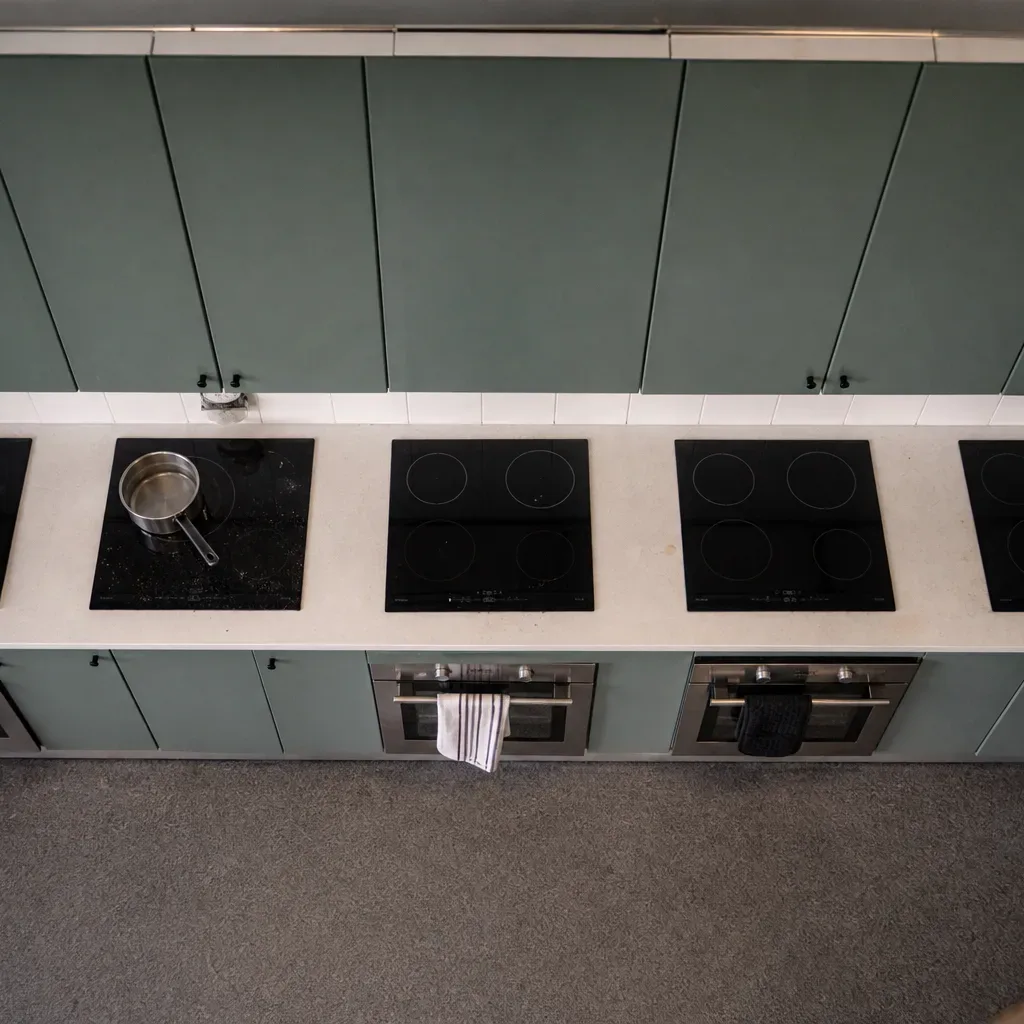
Edge Hill offers a range of room types across several residential areas on campus, from standard single rooms with shared bathrooms to en-suite rooms within cluster flats. Cluster flats typically group six to eight students around a shared kitchen and living space, which makes it easier to meet people quickly. Catered options are limited; most halls are self-catered, so students cook for themselves using shared kitchen facilities. Room quality has improved steadily, and newer blocks include better soundproofing and faster broadband connections.
Room Types and What They Cost
Weekly rent for student halls of residence in Ormskirk runs from roughly £100 to £160 per week, depending on room type and whether bills are included. En-suite rooms at the upper end of that range typically bundle broadband, contents insurance, and utilities into a single weekly payment. Standard rooms without en-suite facilities sit closer to the £100 mark and require fewer upfront decisions about what is covered. Always read the licence agreement carefully to confirm exactly which costs are included before accepting an offer.
Bills and What Is Bundled In
Most campus halls packages include electricity, heating, water, and a broadband connection as standard. Contents insurance is sometimes included, though the level of cover varies between accommodation providers, so checking policy limits is sensible. When a bills-inclusive deal is offered, students typically pay a premium of around £15–£30 per week above what an equivalent bills-exclusive room would cost. That premium can actually save money compared to setting up separate utility accounts, particularly for a single academic year.
What Is Included in Halls of Residence Ormskirk
Typical inclusions are: a furnished room, bedding (sometimes), shared or en-suite bathroom, kitchen access, broadband, and utilities. Some halls add a weekly cleaning service for communal areas, though individual rooms are the student's responsibility. Laundry facilities are usually available on-site for a small per-use charge. A few packages also include contents insurance up to a specified limit, which reduces the list of things to arrange before moving in.

Costs Beyond the Rent
Rent covers the room, but day-to-day living adds up quickly. A realistic all-in monthly budget for an Ormskirk student, covering rent, food, transport, and essentials, sits in the range of £800–£1,100 per month. Food is the largest variable; students who cook from scratch and shop at local supermarkets spend significantly less than those who rely on campus cafés. Transport costs depend on how often a student travels to Liverpool or Preston, both accessible by train from Ormskirk station.
Full-time students are exempt from paying council tax, which is a meaningful saving compared with renting privately as a non-student. If all occupants in a property are full-time students, the exemption applies to the whole bill. Mixed households, where at least one occupant is not a full-time student, may still receive a 25% discount. Edge Hill's accommodation team can issue a council tax exemption certificate on request.
Deposits and Tenancy Agreements
Campus halls typically use a licence agreement rather than an Assured Shorthold Tenancy, which is the standard form used in the private sector. The distinction matters: a licence gives the university the right to move students between rooms in certain circumstances, which a private tenancy would not permit. Deposit amounts vary, but the legal cap under the Tenant Fees Act 2019 is five weeks' rent for private tenancies; halls licence deposits may follow similar limits. Any deposit must be protected in a government-approved scheme within 30 days of receipt.
Comparing Halls with Private Renting
Private shared houses in Ormskirk typically cost £65–£100 per room per week, which is cheaper than most halls options. Purpose-Built Student Accommodation schemes, distinct from university-run halls, charge £110–£175 per week and offer a middle ground between halls and independent private renting. Private studios or one-bed flats run from £120–£180 per week, with higher prices generally reflecting a bills-inclusive structure. For many students, halls make financial sense in the first year because the all-in nature of the pricing removes uncertainty.
What Halls Offers That Private Renting Does Not
The clearest advantage of halls is the social infrastructure. Cluster flats create natural communities; common rooms, events run by the Students' Union, and proximity to campus facilities reinforce that. Students in private houses have to be more deliberate about building social connections, particularly if they are new to the area. Maintenance is also faster in managed halls: a broken boiler or faulty shower is reported once and fixed by a facilities team, rather than negotiating a repair with a private landlord.

Moving in - Practical Logistics
Edge Hill allocates arrival slots on move-in day to reduce congestion on campus roads. Students should check their allocation email carefully and arrange transport that fits the slot, not just the general move-in date. Most halls allow one car per room on arrival day, and parking on campus is limited, so coordinating with family or friends who are driving is sensible. Bringing a basic set of kitchen supplies, a clothes airer, and a mattress topper will cover the gaps that furnished rooms often leave.
What to Check Before Accepting a Halls Offer
Before signing, confirm the exact lease length. Most Edge Hill halls agreements run for a fixed academic year term, which does not always align with the full 52 weeks some students expect. Check the policy on guests, particularly overnight stays, as halls licence agreements often include specific rules that differ from private tenancies. Verify whether the room has a desk large enough for a monitor if studying a design or technical subject, since standard study furniture can be compact.
Living Near Campus Long-Term
Many students move from halls into private shared housing in Ormskirk after their first year. A House in Multiple Occupation (HMO) with three or more unrelated tenants is the most common arrangement, and landlords of such properties must hold an HMO licence. The private rental market in Ormskirk is active, with a reasonable supply of student houses within cycling or walking distance of campus. Starting a house search in January or February for the following September secures more options and avoids the tighter availability that arrives later in spring.

Frequently Asked Questions
What Is Included in Halls of Residence Ormskirk?
Most Edge Hill halls packages include a furnished room, shared or en-suite bathroom access, kitchen facilities, broadband, and utilities such as electricity, heating, and water. Some packages add contents insurance and communal area cleaning. Laundry facilities are typically available on-site for a small charge. Always check the specific licence agreement to confirm exactly which services are bundled into the weekly rate.
How Much Does It Cost to Live in Student Halls at Edge Hill University?
Weekly rent for student halls of residence in Ormskirk typically ranges from £100 to £160 per week, depending on room type and whether bills are included. En-suite rooms in newer blocks sit toward the upper end of that range, while standard rooms with shared bathrooms are closer to £100. Bills-inclusive packages carry a premium of roughly £15–£30 per week above an equivalent bills-exclusive room.
Do I Need to Pay Council Tax If I Live in Student Halls in Ormskirk?
Full-time students are exempt from paying council tax, and this exemption covers the full bill when all occupants hold full-time student status. Edge Hill University can issue a council tax exemption certificate to confirm your status. If you share with someone who is not a full-time student, a 25% single-person discount may still apply to that occupant's liability.
Is It Cheaper to Rent Privately Than to Live in Student Halls in Ormskirk?
Private shared houses in Ormskirk typically cost £65–£100 per room per week, which is lower than most halls options. However, private rents are usually bills-exclusive, so electricity, gas, broadband, and water must be budgeted separately. When those costs are added in, the total can be comparable to halls pricing, particularly for bills-inclusive halls deals. First-year students often find the all-in simplicity of halls worth the slightly higher weekly rate.
Can I Move Out of Halls Before the End of My Agreement?
Halls licence agreements at Edge Hill run for a fixed term, typically aligned with the academic year, and early release is not guaranteed. Students who need to leave early should contact the university's accommodation office as soon as possible, as some schemes allow a room to be released if a replacement occupant is found. Penalties or continued rent liability may apply if the agreement is broken without an approved process being followed. Reading the licence terms carefully before signing avoids surprises later.