Bills-Inclusive Student Housing in Ormskirk - Is It Worth It?
Choosing between a bills-inclusive and bills-exclusive rental in Ormskirk is one of the first real financial decisions students face before term starts. The difference affects your weekly budget, your admin burden, and sometimes your relationship with housemates. Getting it wrong in either direction costs money.
What Bills-Inclusive Actually Means
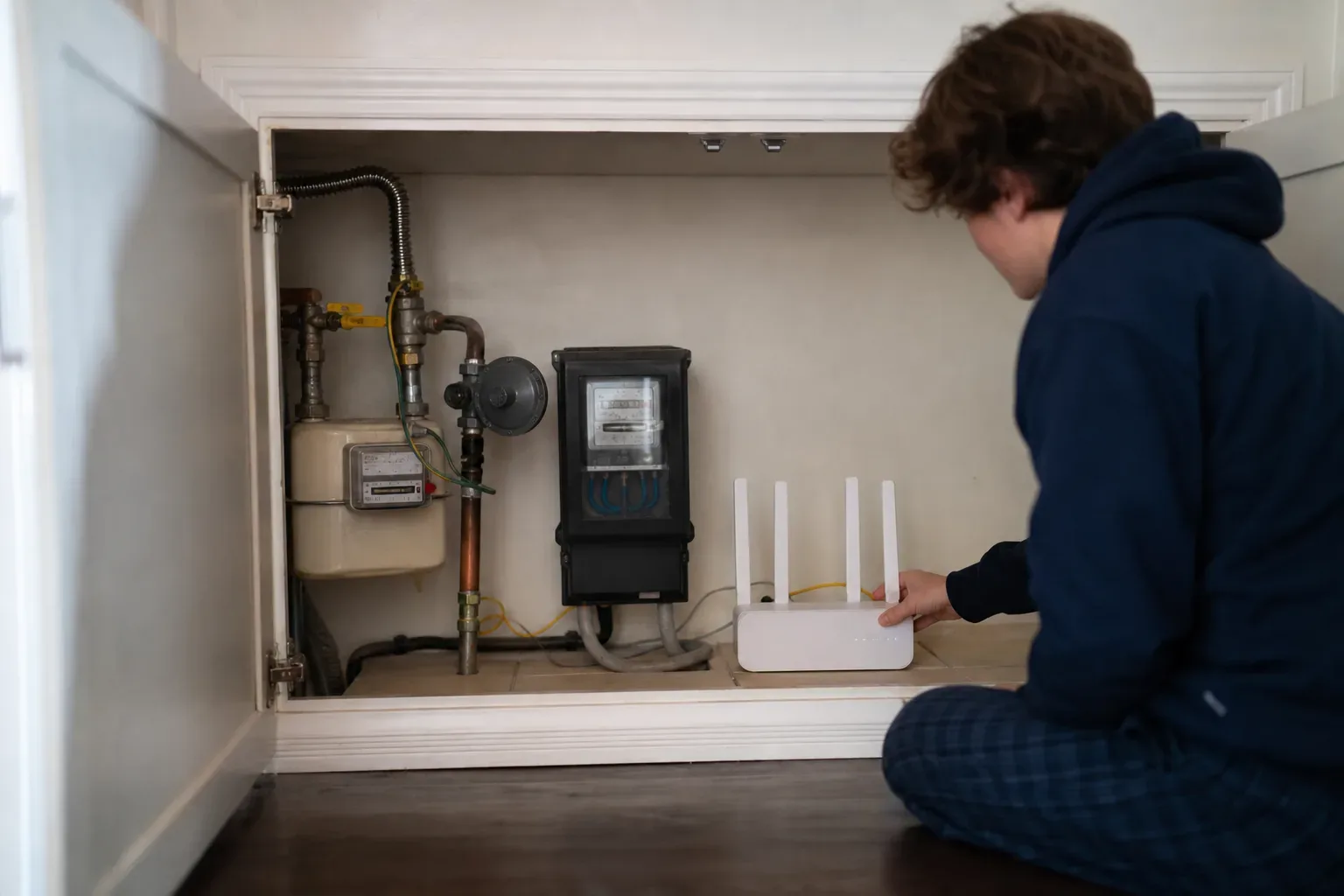
A bills-inclusive tenancy bundles gas, electricity, water, and broadband into the advertised rent. Some packages also include contents insurance. You pay one fixed figure each week or month, and the landlord or managing agent settles the utility accounts directly.
Bills-exclusive tenancies hand that responsibility to the tenants. You set up accounts with suppliers, split invoices between housemates, and chase anyone who is slow to pay their share. It is simpler in principle than it sounds on paper, but the admin adds up across a 52-week academic year.
How Much Are Student Bills in Ormskirk?
Annual utility costs for a typical shared student house in Ormskirk, covering gas, electricity, water, and broadband, commonly run to around £1,800–£3,000 per year depending on house size and energy efficiency. Divided across four or five tenants, that works out to roughly £9–£15 per person per week before any price fluctuations. Broadband alone tends to cost £25–£35 per month for the whole house, so splitting it between housemates is relatively straightforward.
Heating is the biggest variable. Older terraced properties near the Edge Hill University campus can be draughty, and a cold winter pushes gas bills significantly higher. Newer Purpose-Built Student Accommodation (PBSA) blocks tend to have better insulation and, in many cases, bills are already included in the headline price.
The Cost of Going Bills-Inclusive
Landlords typically add £15–£30 per week above an equivalent bills-exclusive rent to cover utilities and broadband. On an annual basis, that uplift sits between £780 and £1,560 per tenant. Whether that represents good value depends on the size of the house, how many people share the costs, and how carefully the household manages consumption.
In a large House in Multiple Occupation (HMO) with five or six tenants, the per-person share of actual bills is lower, so a £25 per week bills-inclusive premium may not fully reflect real costs. In a two-bed flat, the same premium could save you money relative to splitting bills between just two people. The maths genuinely varies by property.
Private shared houses in Ormskirk typically advertise at £65–£100 per room per week on a bills-exclusive basis. Adding a bills-inclusive package at the standard uplift brings that range to roughly £80–£130 per room per week, depending on the property and what is bundled. PBSA rooms sit at £110–£175 per week, with the upper end of that range almost always reflecting a fully inclusive price. University halls at Edge Hill run £100–£160 per week, often catered or semi-catered, so comparing them directly with private bills-inclusive deals requires stripping out the food element first.
When Bills-Inclusive Is the Smarter Choice
Budget predictability is the strongest argument for inclusive pricing. Ormskirk students managing a total monthly spend of £800–£1,100 across rent, food, transport, and essentials benefit from knowing exactly what rent will cost each month. An unexpected energy bill in February can derail a budget that was otherwise working.
Students studying full-time with heavy coursework loads often find the administrative simplicity worth paying for. Setting up energy accounts, comparing tariffs, and chasing housemates for bill payments takes genuine time. International students, in particular, sometimes find UK utility billing systems unfamiliar, and a bills-inclusive arrangement removes that friction entirely.
Low-consumption households tend to overpay on bills-inclusive deals. If you and your housemates are rarely home, cook infrequently, and keep the heating low, you will probably subsidise the landlord's estimate. Bills-exclusive gives those households a real financial advantage.
Fair Usage Caps
Most bills-inclusive agreements include a fair usage clause. Read it carefully before signing. The clause typically specifies a maximum annual consumption in kilowatt-hours for electricity and gas. Exceed it, and the landlord can charge the difference.
Some caps are generous; others are tight for a house of four students in a cold Lancashire winter.
Ask the landlord to state the cap in writing and, if possible, request the previous year's actual consumption for the property. That data tells you whether the cap is realistic before you commit.
Legal Basics Worth Knowing
Whether bills are included or not, your tenancy will almost certainly be an Assured Shorthold Tenancy (AST), the standard private rental contract across England. Landlords are required to protect your deposit in a government-approved scheme within 30 days of receiving it. Approved schemes include the Deposit Protection Service, MyDeposits, and the Tenancy Deposit Scheme. The deposit itself is capped at five weeks' rent under the Tenant Fees Act 2019.
Full-time students are exempt from paying council tax. If all occupants of a property hold full-time student status, the household pays nothing. A mixed household with one non-student tenant may still qualify for a 25% single-person discount, but that exemption disappears if the non-student works full-time.
HMO licensing applies to properties with three or more unrelated tenants sharing facilities. West Lancashire Borough Council administers licensing in Ormskirk. If you are renting in a house of that size, your landlord should already hold the relevant licence. You are entitled to ask to see it.
Comparing Your Options Practically
Before choosing between bills-inclusive and bills-exclusive, gather three pieces of information. First, ask the landlord for the bills-inclusive premium in pounds per week, not a vague statement that bills are included. Second, get a firm list of what is covered: some landlords include broadband; others do not. Third, check whether contents insurance is part of the package or whether you need separate cover.
Run a simple comparison using the £15–£30 per week uplift range. If a bills-exclusive room costs £75 per week and a bills-inclusive version of the same room costs £100 per week, the £25 premium is at the upper end of a typical uplift. That might be fair if the house has five occupants and older heating systems. It is harder to justify if the house is well-insulated and you share with four other people who are all light energy users.
Ormskirk's proximity to Liverpool via the Merseyrail Northern Line, roughly 35–45 minutes to Liverpool Central, means some students commute regularly. Higher commuting frequency generally means more time spent away from the property and lower personal energy consumption. That pattern tends to favour bills-exclusive arrangements, provided housemates are equally disciplined.
The right answer is specific to your property, your housemates, and how you actually live. A bills-inclusive deal at the right premium removes genuine stress; one priced too high simply transfers money from your account to the landlord's.

Frequently Asked Questions
How Much Are Student Bills in Ormskirk?
Annual utility bills for a typical shared student house in Ormskirk, covering gas, electricity, water, and broadband, commonly total around £1,800–£3,000 per year. Split between four or five tenants, that works out to roughly £9–£15 per person per week, though older properties with poor insulation can push costs higher in winter.
How Much Extra Does a Bills-inclusive Package Cost in Ormskirk?
Landlords typically charge £15–£30 per week above an equivalent bills-exclusive rent to cover utilities and broadband. Whether that premium represents fair value depends on the size of the property, the number of tenants sharing costs, and how energy-efficient the building is.
Do Full-time Students in Ormskirk Pay Council Tax?
Full-time students are exempt from paying council tax. If every occupant of the property holds full-time student status, the household pays nothing. A mixed household that includes a non-student may qualify for a 25% discount but loses the full exemption.
What Is a Fair Usage Cap in a Bills-inclusive Tenancy?
A fair usage cap sets a maximum annual energy consumption, measured in kilowatt-hours, that the landlord's bills-inclusive price covers. If the household exceeds that figure, the landlord can charge tenants for the difference. Always ask for the cap in writing and request previous consumption data for the property before signing.
Are PBSA Rooms in Ormskirk Always Bills-inclusive?
Purpose-Built Student Accommodation rooms in Ormskirk are very commonly priced bills-inclusive, particularly at the upper end of the £110–£175 per week range. It is still worth confirming exactly what is covered, as some schemes exclude contents insurance or cap broadband speeds.