Renting Student Accommodation in Ormskirk - Student Accommodation Costs and Budgeting
Ormskirk is a compact market town built around Edge Hill University, and its rental market reflects that fact. Around 15,000 students study at Edge Hill, creating steady demand for rooms across university halls, private shared houses, and purpose-built student accommodation (PBSA). Understanding the cost landscape before you sign anything saves real money and prevents surprises mid-year.
What Types of Student Housing Are Available in Ormskirk
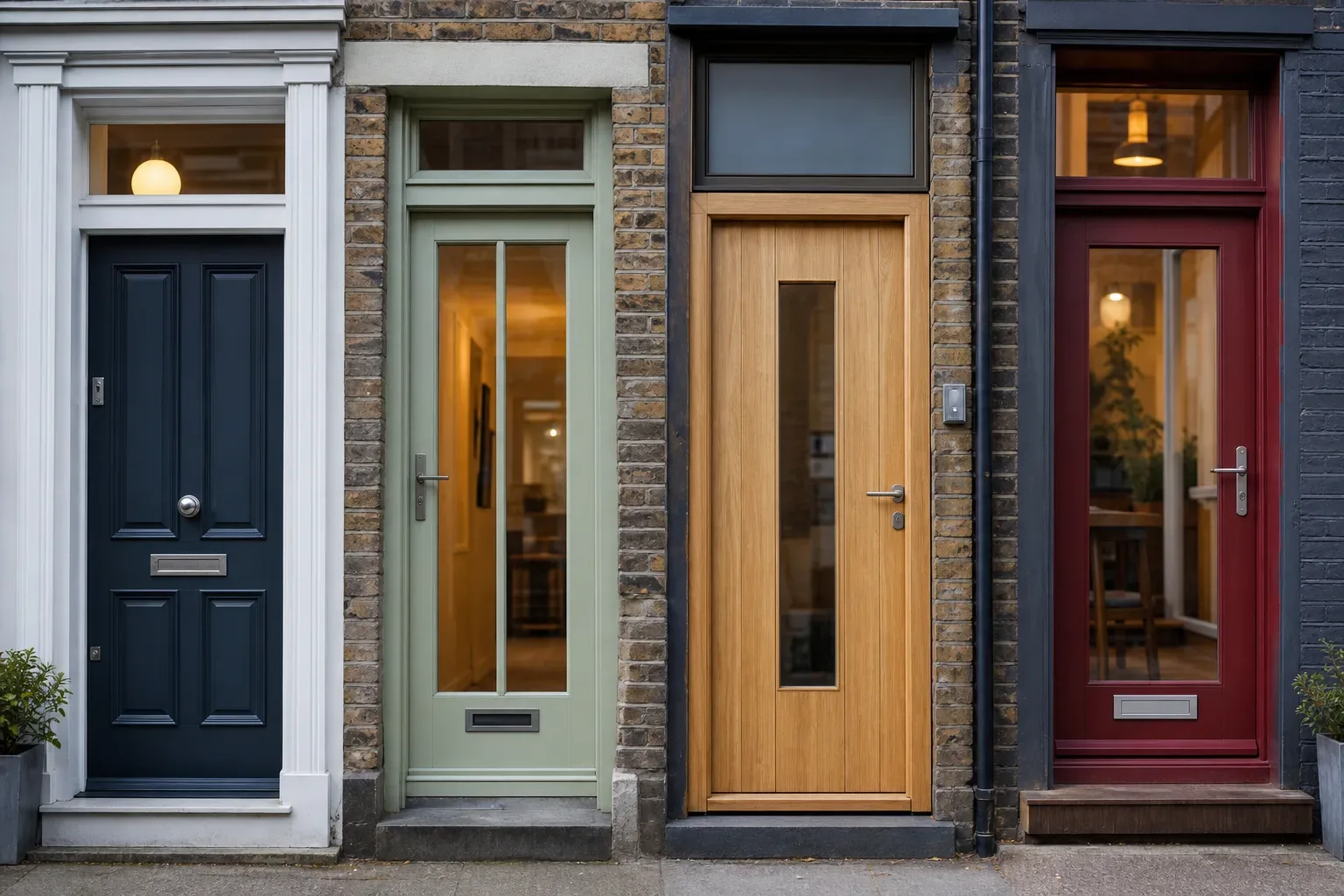
Four main categories cover the market. University halls of residence sit on or close to the Edge Hill campus. Private shared houses, formally classified as Houses in Multiple Occupation (HMOs) when three or more unrelated tenants share facilities, dominate the streets around campus. PBSA schemes offer managed en-suite or cluster rooms.
Self-contained studios round out the options for students who want their own front door.
Each type carries a different cost, contract length, and set of responsibilities. Halls suit first-years who want managed living; HMOs appeal to students forming their own house groups in second or third year; PBSA sits between the two in terms of independence and price.
How Much Does Student Accommodation Cost in Ormskirk
The weekly rent you pay depends heavily on the accommodation type, room specification, and whether bills are bundled into the price.
University Halls
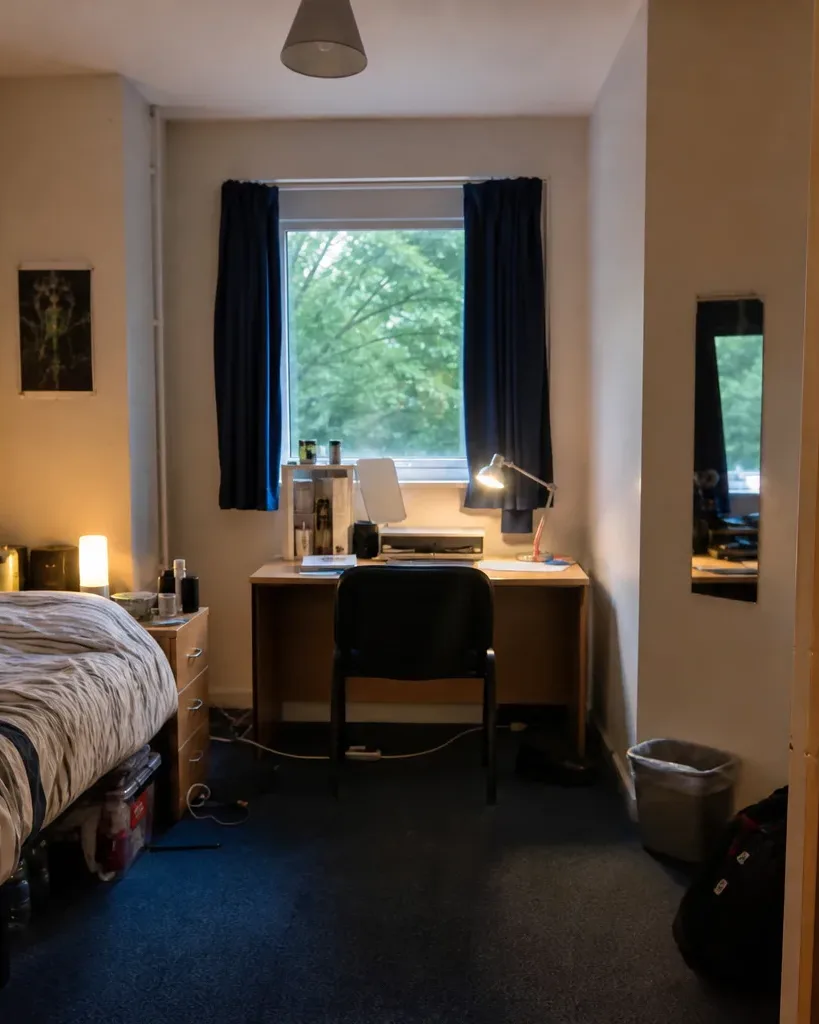
Halls of residence at Edge Hill typically cost £100–£160 per week for a standard room. Catering arrangements and room size affect where within that range a room falls. Most hall contracts run for the academic year rather than the full 52 weeks, so you are not paying for the full calendar year.
Private Shared Houses (HMOs)
A room in a private HMO usually costs £65–£100 per week. Bills are not always included at this price point. A bills-inclusive arrangement typically adds £15–£30 per week on top of the equivalent bills-exclusive rent, so factor that into any comparison between properties advertising different terms.
Purpose-Built Student Accommodation
PBSA rooms in Ormskirk generally run £110–£175 per week depending on room type and the amenity level of the scheme. En-suite rooms with a private bathroom sit towards the top of that range. Bills, broadband, and sometimes contents insurance are often bundled, which makes the headline figure look higher than a bare HMO room but narrows the gap once utilities are added to the HMO cost.
Studio Apartments
Self-contained studios marketed to students cost £120–£180 per week. The top of that range typically reflects a fully bills-inclusive price. Studios suit students who value privacy and are comfortable paying a premium for it.
Estimating Your Total Monthly Living Costs
Rent is the largest outgoing, but it is not the only one. A realistic total budget for a student in Ormskirk sits between £800 and £1,100 per month, covering rent, food, transport, and day-to-day essentials. Tuition fees sit outside that figure.
Ormskirk town centre is 10–15 minutes from the Edge Hill campus on foot, which keeps daily transport costs low for most students. Those travelling to Liverpool for work or social reasons will spend more: the Merseyrail service from Ormskirk to Liverpool Central takes approximately 35–45 minutes, and a return journey adds up across the week. Students heading to Preston can reach it in roughly 30–40 minutes by Northern Rail.
Food, phone contracts, subscriptions, and course materials all compete for the space between rent and the top of that monthly estimate. Tracking spending weekly during the first month gives you a reliable picture of where your money actually goes.

Council Tax and Other Costs to Know
Full-time students are exempt from paying council tax. If everyone in a shared house holds full-time student status, the property qualifies for a full exemption. Mixed households, where at least one occupant is not a full-time student, may still receive a 25% discount rather than a full exemption.
The tenancy deposit is a significant upfront cost. Under the Tenant Fees Act 2019, landlords can charge a deposit of up to five weeks' rent. That amount must be protected in a government-approved scheme within 30 days of receipt. Approved schemes include the Deposit Protection Service (DPS), MyDeposits, and the Tenancy Deposit Scheme (TDS).
Failure to protect a deposit is a legal breach and gives tenants grounds to claim compensation.
Understanding Your Tenancy Agreement
Most private landlords and PBSA operators in England use an Assured Shorthold Tenancy (AST) as the standard contract form. An AST sets out the rent amount, payment dates, deposit terms, and the conditions under which either party can end the tenancy. Read the entire document before signing, paying particular attention to break clauses, rent review provisions, and the list of permitted alterations.
In a joint AST for an HMO, all tenants are jointly and severally liable for the rent. That means if one housemate stops paying, the others are legally responsible for covering the shortfall. Choose housemates carefully and ensure everyone named on the contract understands this.
What Landlords Must Do in Ormskirk
HMO licensing applies to properties with three or more unrelated tenants sharing facilities. Landlords must hold a valid licence from West Lancashire Borough Council. Confirm with the council whether a property you are considering carries a current licence before handing over any money.
Beyond licensing, landlords are responsible for annual gas safety checks, five-yearly electrical installation condition reports, smoke and carbon monoxide alarm compliance, and maintaining the property in a habitable state. If something is broken on arrival, report it in writing and keep a copy of your message.
Budgeting Strategies That Actually Work
Set your rent ceiling before you start viewing. Divide your total monthly budget by four to get a rough weekly rent limit, then use that figure as a filter rather than a guide. It is easy to stretch for a nicer room and then struggle for the rest of the year.
Compare bills-inclusive and bills-exclusive properties on an equivalent basis by adding the typical £15–£30 weekly premium to any bills-exclusive quote. A room that looks £20 per week cheaper may cost the same or more once energy, water, and broadband are added. Always ask which utilities are covered and whether there is a usage cap on energy.
Aim to arrive in Ormskirk with enough savings to cover the deposit, the first month's rent, and basic household items before your student loan clears. Deposits and advance rent payments are due at signing, not when money arrives in your account. Getting that timing right avoids a stressful start to the academic year.
Frequently Asked Questions
How Much Does Student Accommodation Cost in Ormskirk per Week?
Weekly rent ranges from £65–£100 for a room in a private shared house (HMO), £100–£160 in university halls, £110–£175 in purpose-built student accommodation, and £120–£180 for a self-contained studio. Bills-inclusive deals typically add £15–£30 per week to equivalent bills-exclusive prices.
What Is the Total Monthly Student Budget in Ormskirk?
A realistic all-in monthly budget covering rent, food, transport, and essentials sits between £800 and £1,100. That figure excludes tuition fees. Transport costs are relatively low for students living close to the Edge Hill campus, since the town centre is only 10–15 minutes on foot.
Do Students Pay Council Tax in Ormskirk?
Full-time students are exempt from council tax. A property where all occupants hold full-time student status qualifies for a full exemption. If one or more occupants are not full-time students, the household may receive a 25% discount rather than a full exemption.
How Much Deposit Can a Landlord Charge a Student Renter in Ormskirk?
Under the Tenant Fees Act 2019, the deposit cap is five weeks' rent. The landlord must register that deposit with a government-approved scheme, such as DPS, MyDeposits, or TDS, within 30 days of receiving it. Failure to do so is a legal breach and can entitle the tenant to claim compensation.
What Is the Difference Between an HMO and PBSA in Ormskirk?
A House in Multiple Occupation (HMO) is a private rented property where three or more unrelated tenants share facilities such as a kitchen or bathroom. Purpose-Built Student Accommodation (PBSA) refers to larger managed blocks built specifically for students, typically offering en-suite rooms, communal areas, and on-site management. PBSA generally costs more per week than an HMO room but often includes bills and additional services.